 It has become increasingly obvious over the past few years that figuring out how to make a living is a – if not the – major issue of my life. For those of you who speak astrologese, Saturn in the second house squares my sun. Translated, Saturn represents limitations, the second house concerns self-worth and income, the sun expresses identity, and a square indicates major challenges. Yup, sounds about right.
So the fact that I stayed at my last job only two months is not much of a surprise. It’s more surprising that I took the job in the first place. The pay was very low, the owner was laden with obvious baggage, and the work sounded overwhelming to HSP/introvert-me. But it was close enough to home to walk, and I felt an intuitive impulse to try it anyway. I just had a feeling it would be a worthwhile experience whatever happened.
 And that turned out to be the case. I learned a lot about what I enjoy and need in a job, which is certainly an area in which any new insights are welcome. However, I was already financially behind when I started, and the job never came close to meeting my financial needs, despite representations that were made to me at the start. So it’s back to the food bank. I’m trying to stay optimistic, but it isn’t easy.
One of the things that makes poverty and confusion even more difficult than usual is family conflict in the wake of my father’s recent death. I guess it’s natural for people to focus on a person’s positive attributes after death, since that is what they miss about him. Out of respect for others’ pain, I sat out of that conversation. But my family members could not quite return the favor. Instead, they nudged posthumous accolades about what a great guy he was at me, as if to say, everybody loved him, baby, what’s the matter with you?
Is it so terrible to speak honestly of the dead – and the living?
In answer, I offered to give them a whole lot of excellent and historically verifiable reasons why I feel as I do, but was told that now is not the time. Only a brute would argue with that, but let’s be honest, my inconvenient truths were no more welcome in happier times.
Being the family truth-teller sucks. Continue reading →

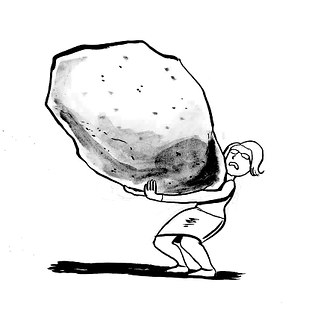 Here’s a multimedia article with video first person accounts, and great cartoons by Dan Meth. Mental Illness Awareness Week was in October for some people. For others, every week is a mental illness awareness week.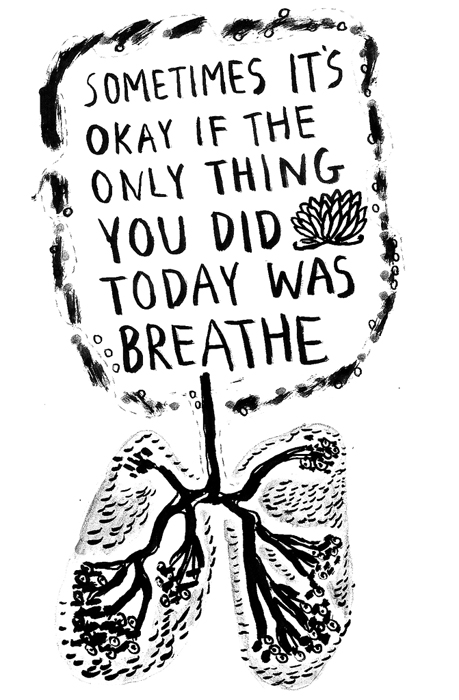
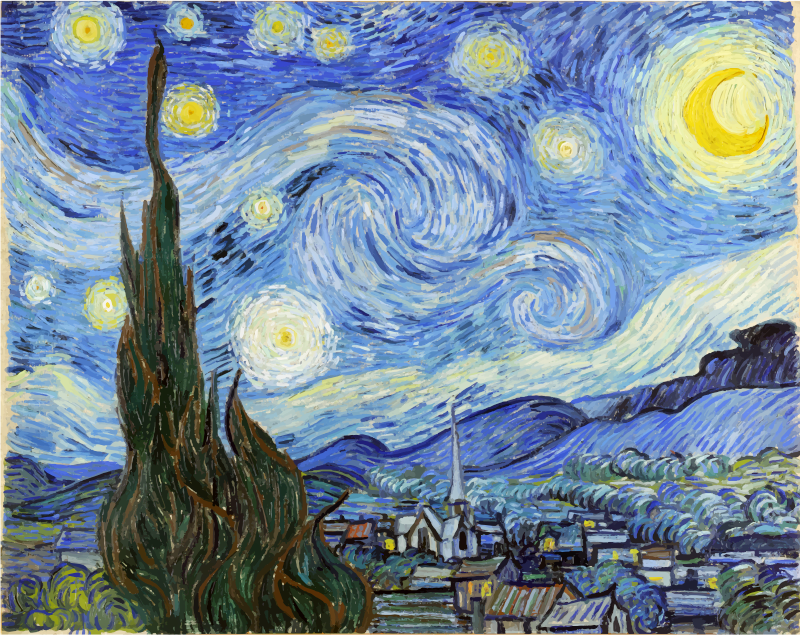
 Winter SAD, which you may have heard of, results from insufficient exposure to light. It was first observed as a winter-related phenomenon, since sunlight is weaker, days are shorter, and clouds are more common during winter in many climates.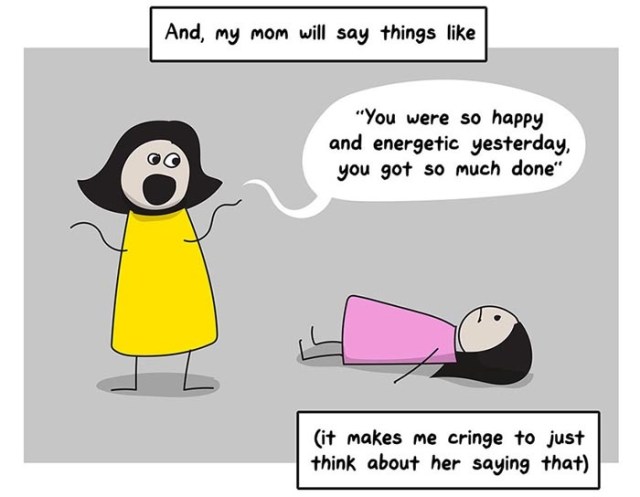
 I view the “happiness movement” with skepticism. If you aren’t familiar with it, it argues that unhappiness comes from framing our experiences “negatively,” and if only we reframe them “positively,” we can be happy.
  There are many depictions of non-usual mental states in story and song, including some excellent first-person representations of mental disorders. Edgar Allan Poe, for example, is famous for his accounts of psychotic breaks in the first person. Sometimes we know we are witnessing “madness,” as Poe called it, but sometimes these descriptions are framed as something else.
  sensitive type