Cassandra was a Trojan princess and priestess, best remembered for being a prophet who was always right, but never believed. The rest of her story is less well-remembered. More on that later.
To Tell the Truth
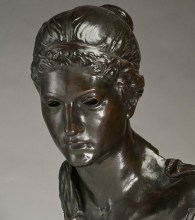 Cassandra only wanted to use her gift to prevent unnecessary suffering and death. But she told people things they didn’t want to hear, so she was pronounced insane, and ignored. Her own family, who had surely noticed her prophecies always came true, nevertheless locked her away, and dissed her along with the rest. They soon had reason to regret that, but by then it was too late.
When they let her out for a feast, she warned her father, the King of Troy, that the centerpiece, a giant wooden horse sent as a gift by Troy’s longtime rivals, the Greeks, was full of invading soldiers. Annoyed that she was bringing their party down, the king and his courtiers jeered at and insulted her.
Desperate to prove the truth, Cassandra grabbed an axe to break it open and show them what they would not let her tell them, but they took it away and laughed at her some more.
I don’t have to imagine how frustrating this was. I know. Like many HSPs, I often perceive things that others don’t. I learned a long time ago that these truths are not always welcomed by people who have not yet seen them (or are working very hard not to).
But wouldn’t you think immediate physical danger was a special case? It’s only natural that people would pay attention when it was a question of their own survival. Isn’t it? Continue reading
 I’m working my way through the list of Clifton strengths alphabetically, a few strengths at a time. That way I can thoroughly process them before I move on to the next group (like the HSP introvert I am!).
 sensitive type