As previously discussed in several posts, I’ve been trying to understand – and resolve – my constant struggle to get stuff done. I’m happy to report that I think I’ve figured out what’s going on.
Spring, 2021
 After I adjusted the nutraceuticals I use to manage my depression without success (see Isms), I decided to try a more direct approach, and researched non-prescription options for “low motivation.” I didn’t find anything that sounded promising, but I couldn’t help noticing that many of the results that came up were in articles about managing ADHD.
Hmm.
Summer, 2021
 I’ve thought I might have some degree of ADHD for many years, but never really followed up on that thought. It didn’t seem to be affecting me much. But I decided to read a book about it. Many quotes from adults with ADHD resonated unexpectedly.
Hmm.
Fall, 2021
 I found some podcasts by people living with ADHD. Issues with energy and initiative cycles, motivation, and timeliness are everywhere. Methinks I have found the answer to the mystery of my procrastination – not a lingering depression symptom at all.
The discovery is liberally sprinkled with karma, as I’ve told more than one lover/colleague/friend with ADHD that it appeared to be affecting them a lot more than they believed (but nobody ever said the same to me, I swear).
This new insight hasn’t resulted in overnight solutions, but it explains a LOT, including why I keep overlooking things in plain sight. It’s shown me a community grappling with similar issues. And I’m reassessing my capacities, my expectations, and my notion of what is “normal for me.”
That’s Odd
The more I read/heard about ADHD, the more some very familiar terms cropped up. “Highly sensitive,” for example. Also “overwhelm.” This from people who never mentioned Sensory Processing Sensitivity, and as far as I could tell, had never even heard of it. Continue reading
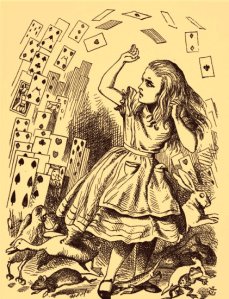 I’ve been grappling with a challenge I variously refer to as procrastination, low motivation, or a need for an astronomical amount of down/processing time, for awhile now. Years, actually. As you can see by my list of labels, the crux of the problem is not solving it (problem-solving is one of my natural strengths), but defining its nature (possibly less of a strength). Longtime readers may recognize this state of bemused non-functionality from the inception of Sensitive Type.
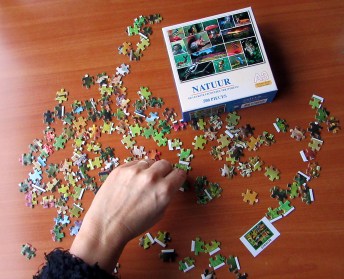 Having accomplished a self-directed life where I answer to no clock but my own, I struggle constantly with the balance between activity and down time. I often suspect the struggle is with self-judgment rather than time management, but I’m never quite confident enough of that to surrender myself wholeheartedly to my periods of rest. Maybe that’s why I need so much of it!
 sensitive type